Educator, journalist, writer and observer of Eastern Europe
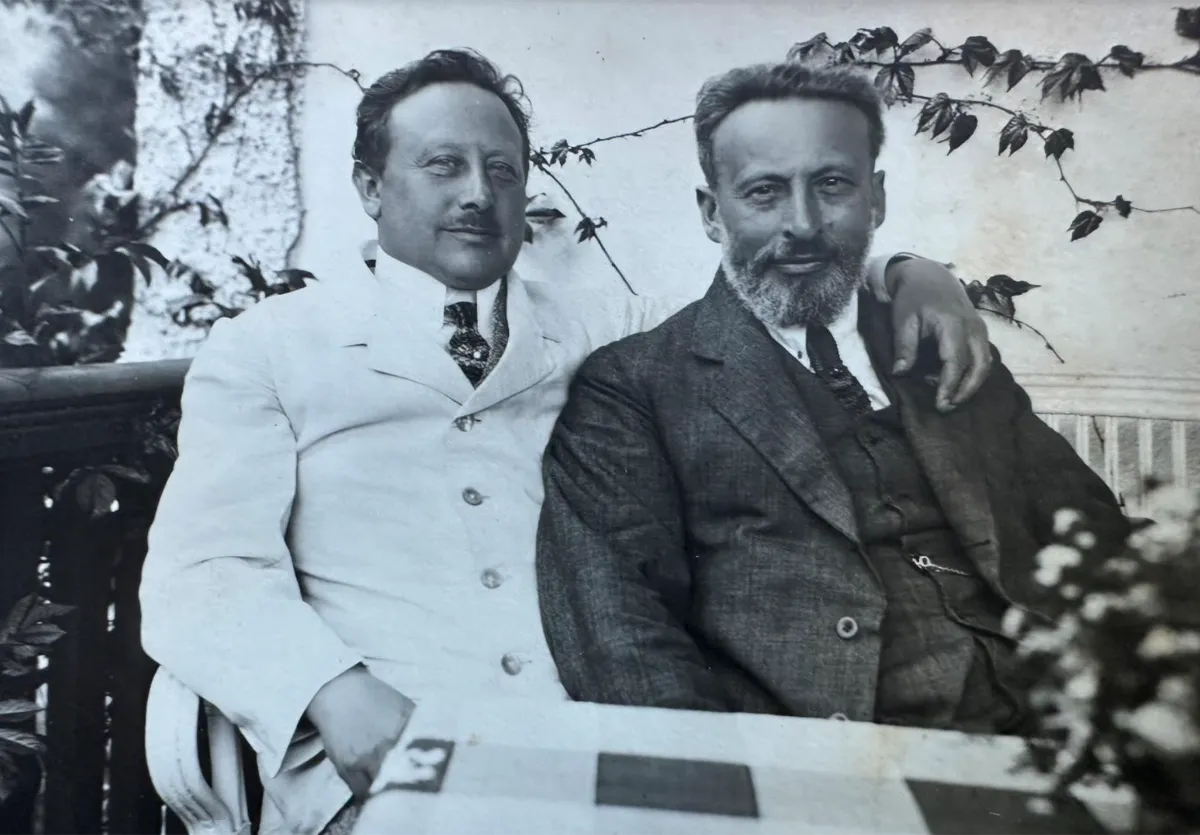
Hugo Ganz was the elder brother of Alfred Ganz-Wolff and the father of Josef Ganz, the Jewish automotive pioneer. As a renowned journalist and book author for the Frankfurter Zeitung, he became one of the most significant German-speaking observers of Eastern Europe in his day.
Hugo GanzPortrait to follow
Alfred GanzHugo Ganz
Scroll to explore
A literary legacy
Hugo Ganz was a journalist and writer of high standing in his time, whose works and travel reports paint a unique picture of Eastern Europe around the turn of the century. As the father of Josef Ganz, the later automotive pioneer, and brother of the entrepreneur Alfred Ganz, his story connects two of the most fascinating branches of the Ganz family.
— Lorenz Schmid
The connection
Hugo Ganz was the elder brother of Alfred Ganz-Wolff and the father of Josef Ganz, the Jewish automotive pioneer. As a renowned journalist and book author for the Frankfurter Zeitung, he became one of the most significant German-speaking observers of Eastern Europe in his day.
Life & work
Hugo Ganz was born on 24 April 1862 in Mainz as the son of Moritz and Karoline Ganz (née Diehl). Like his younger brother Alfred, he grew up in a family that ran a kosher butcher's shop. Hugo, however, took a wholly different path from his brother: he studied at the universities of Leipzig and Giessen, where in 1880 he matriculated at the Ludwig University and read history and German studies. While still a student he served as a trainee teacher at the Grand-Ducal Gymnasium, where he taught Latin, German and physical education. In 1885 he was awarded a Dr. phil. for his dissertation "Stein, Schön und die Entstehung des Ediktes vom 9. Oktober 1807".
As a grammar-school teacher in Giessen, Hugo developed reform ideas about physical education, which he published in 1888 in the pamphlet "Turnsaal und Exercierplatz" — a plea against military drill and for the education of the individual towards "the highest possible capability and harmony of body and soul". In a school strictly aligned to old traditions, however, he ran into resistance. In 1889 he left teaching and turned to journalism. He joined the staff of the "Pester Lloyd" and became a Budapest correspondent for the "Frankfurter Zeitung". There he married Marie Török (1872–1926). In 1893 their daughter Margit was born — she later married the director and actor Jakob Feldhammer — and in 1898 their son Josef, the future automotive pioneer.
From 1899 Hugo was an editor at the "Neue Freie Presse" and from 1902 at the Vienna newspaper "Die Zeit". In 1904 he became Vienna correspondent and theatre and literary critic for the "Frankfurter Zeitung". In 1907 he took over the leadership of the feuilleton section, but already returned to his role as correspondent in 1908. His Vienna address was at Peter Jordanstrasse 72 in the 19th district. In the literary Vienna of his time, Hugo was in contact with Arthur Schnitzler, who occasionally mentioned him in his diary — the relationship remained distant throughout their lives but was mutually noted.
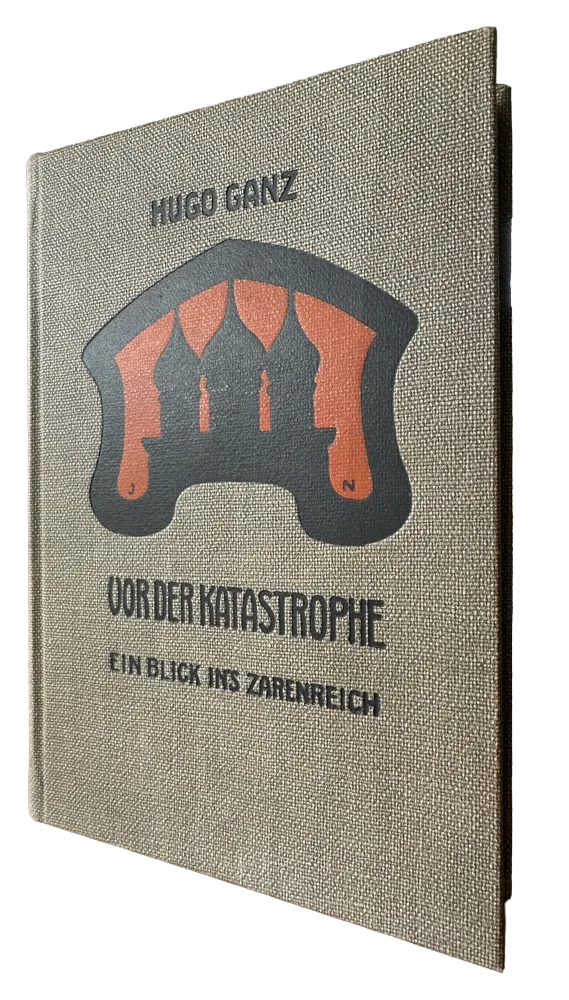
In 1904 Hugo undertook an extensive journey through the Russian Tsarist empire. He gathered his impressions in the much-noted book "Vor der Katastrophe. Ein Blick ins Zarenreich" ("Before the Catastrophe. A Glance into the Tsarist Empire"), which was also translated into English and French. According to a short biography published by the Verlag der Österreichischen Akademie der Wissenschaften, the work "reads today like a prophecy". His drama "Der Rebell" ("The Rebel") also enjoyed considerable success at the Raimundtheater in Vienna.
For an optimist who had imagined a better, more humane world, the lost war of 1918 brought a world crashing down. Hugo's health failed and he had to undergo an operation. He laid down his work and moved with his wife Marie to Switzerland. In the summer of 1919 they spent restful weeks with his younger brother Alfred at the Villa Solina near Lucerne. There Hugo took up once more the thread of his early reform pamphlet "Turnsaal und Exercierplatz". On 10 January 1920 the Frankfurter Zeitung published his article "Friedensvertrag und Turnunterricht" ("Peace Treaty and Physical Education"), in which he again opposed the idea of giving physical education the role of military preparation.
Hugo Ganz died on 2 January 1922 in Frankfurt am Main. The "Neues Wiener Tagblatt" honoured him as a man of "manly conviction" and "great journalistic gifts", whose writings bore witness to "an honest drive for truth, thorough research and a free spirit".
Profile
Born
24 April 1862 in Mainz
Died
2 January 1922 in Frankfurt am Main
Studies
History and German studies (Leipzig, Giessen), Dr. phil. 1885
Profession
Grammar-school teacher (1884–89), then journalist
Newspapers
Pester Lloyd, Frankfurter Zeitung, Neue Freie Presse, Die Zeit, Neue Zürcher Zeitung
Hugo Ganz – Vor der Katastrophe, ein Blick ins Zarenreich — Frankfurt am Main, Literarische Anstalt, Rütten & Loening, 1904
Notable relatives
MT
Wife
Maria Török
1872–1926
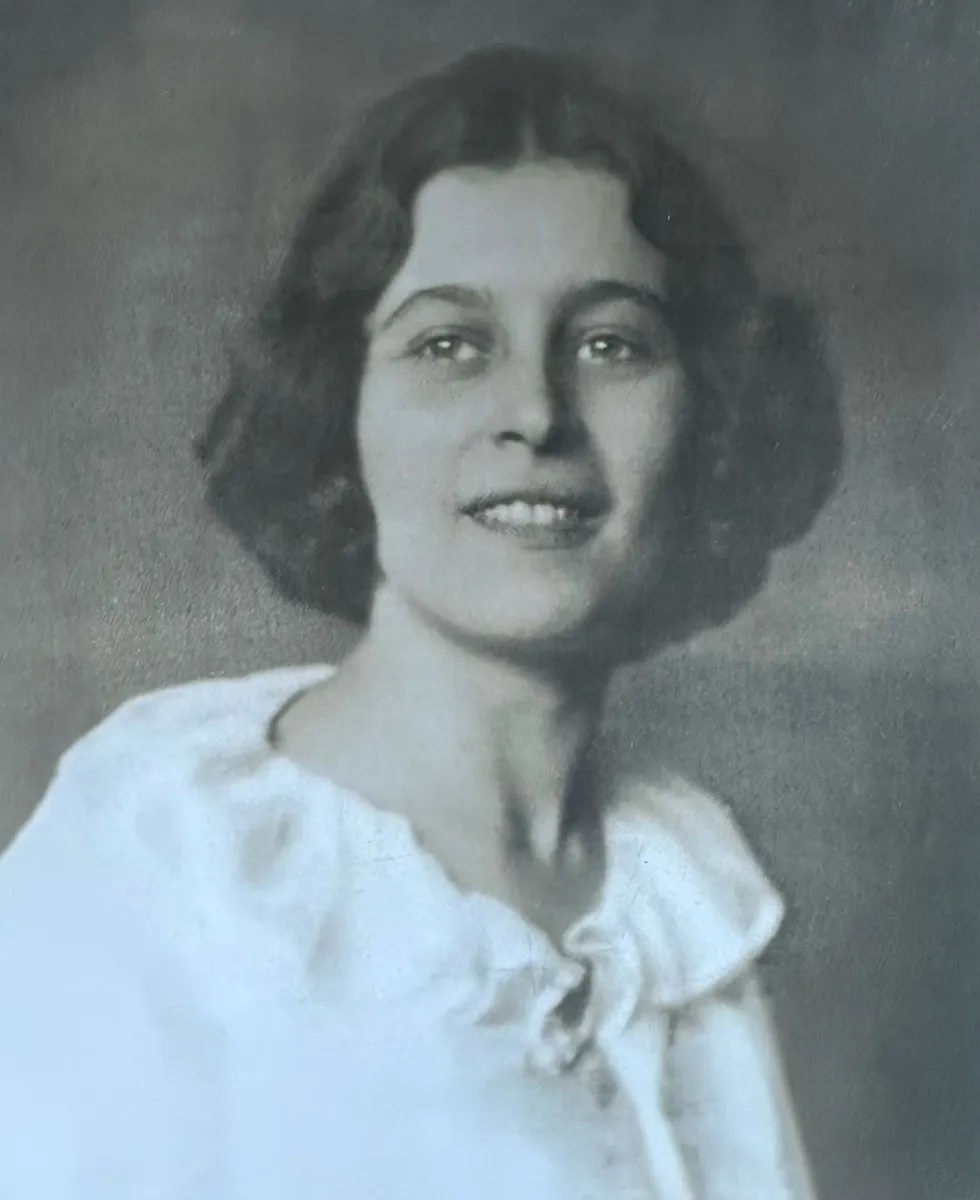
Marie Török came from Budapest, where she met Hugo Ganz during his time as a correspondent for the Frankfurter Zeitung. Together they had two children: Margit (1893) and Josef (1898). After the war she moved with Hugo to Switzerland.
Daughter
Margit Ganz
1893–1975
Margit ("Manzi") Ganz, daughter of Hugo Ganz and Marie Török. First married to the director and actor Jakob Feldhammer, later married to Viktor von Tolnai (b. 1897).
Son
Josef Ganz
1898–1967
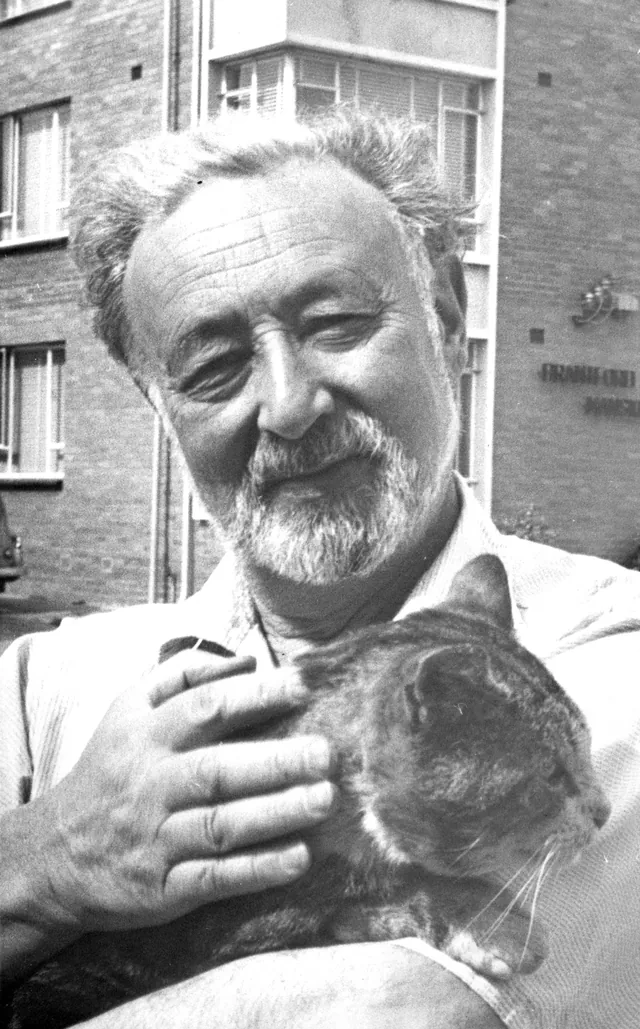
Jewish engineer and automotive pioneer who, as technical adviser and editor of the magazine "Motor-Kritik", profoundly influenced the development of the automobile. He designed the Standard Superior (1933) and is credited as the inventor of the essential parts of the Volkswagen.
Elisabeth Barth's dissertation (1989) is devoted to the life and work of Hugo Ganz and his significance as a journalist and observer of Eastern Europe. The work — over 400 pages long — analyses his journalistic output and places it in the historical context of the turn of the century.
Hugo Ganz in his own words
A search for traces with Ueli Ganz
From the journey through Russia in 1904 to the years after the First World War, a growing concern runs through Hugo Ganz's work: the warning against aggressive nationalism and the search for ways to overcome it. His 1904 "Vor der Katastrophe. Ein Blick ins Zarenreich" was described in the short biography published by the Verlag der Österreichischen Akademie der Wissenschaften as a work that "reads today like a prophecy". Some of his thoughts from the years after the war coincide strikingly with the theses of the Hertenstein conference held a quarter of a century later. The following excerpts — curated by Ueli Ganz — convey an impression of his world of ideas.
Early voice
From "Turnsaal und Exercierplatz", 1888
Two passages from Hugo Ganz's reform pamphlet against military drill in physical education — an early plea for the thinking individual.
1888
«
In contrast to military training, which aims at the uniformity of the mass, the ultimate purpose of school education — and thus also of physical education in school — is to develop the individual to the highest possible capability and harmony of his bodily and spiritual powers.
1888
«
That soldier is best who is best drilled; among pupils, that one is best who thinks the most, and who has learned to think most independently.
Before the catastrophe
The Russian journey of 1904
1904
«
A country with thirty million prisoners and one million jailers.
On the Russian Tsarist empire, which Hugo Ganz travelled through with his wife
1904
«
…the state cannot be helped. It must, and will, collapse from within.
Note on his encounter with Tolstoy — even he could not make him more optimistic about Russia's future
After the catastrophe
After the First World War
1919
«
It seems as if it were the fate of the white race — hitherto incapable of supranational thinking — to destroy itself in periodic struggles.
Entry in the Villa Solina guestbook, 22 August 1919
after 1918
«
We must finance peace as we once financed war. And throughout the press and literature we must take up the fight against the arrogance of incitement between peoples, against aggressive nationalism.
After the First World War
Chronology
Youth & studies
1862 – 1885
Life
1862
Born on 24 April in Mainz, son of Moritz and Karoline Ganz (née Diehl)
Work
1880
Matriculates at the Ludwig University of Giessen; studies history and German studies
1884
Trainee teacher at the Grand-Ducal Gymnasium in Giessen; teaches Latin, German and physical education
1885
Awarded Dr. phil. for the dissertation "Stein, Schön und die Entstehung des Ediktes vom 9. Oktober 1807"
Educator in Giessen
1884 – 1889
1888
Publishes "Turnsaal und Exercierplatz" — reform pamphlet against military drill in physical education
1889
Leaves gymnasium teaching service; turns to journalism with the "Pester Lloyd" in Budapest
Journalist in Central and Eastern Europe
1889 – 1918
Life
1893
Birth of his daughter Margarete "Margit"
1898
Birth of his son Josef Ganz in Budapest — the later automotive pioneer
Work
1889
Correspondent for the "Frankfurter Zeitung" in Budapest
1899
Editor of the "Neue Freie Presse" in Vienna; the drama "Der Rebell" appears
1902
Editor of the Vienna newspaper "Die Zeit"
1904
Journey through Russia with his wife; "Vor der Katastrophe. Ein Blick ins Zarenreich" appears
1907
Feuilleton editor of the "Frankfurter Zeitung"
1908
Returns to his Vienna correspondent role
After the catastrophe
1918 – 1922
Life
1918
After the end of the First World War Hugo lays down his work and moves with Marie to Switzerland
1919
Restful stay with his brother Alfred at the Villa Solina near Lucerne (summer)
1922
Dies on 2 January in Frankfurt am Main
Work
1920
"Friedensvertrag und Turnunterricht" appears in the Frankfurter Zeitung (10 January, sent in from Lucerne)
Sources
Family biography (provided by Lorenz Schmid)
Private photo archive (provided by Lorenz Schmid)
Hugo Ganz – Vor der Katastrophe, ein Blick ins Zarenreich, Frankfurt a. M.: Rütten & Loening, 1904 (in the possession of Lorenz Schmid)
Neues Wiener Tagblatt, no. 3, 3 January 1922, p. 5 (obituary)
Die publizistische Persönlichkeit Hugo Ganz – ein Beitrag zum literarischen und politischen Journalismus der Jahrhundertwende (dissertation, 1989)—Elisabeth Barth
Die Brüder Alfred und Hugo Ganz und der moderne Sportunterricht – Die Geschichte einer Spurensuche (2024)—Ueli Ganz
Short biography of Hugo Ganz, in: Tagebuch 1917–1919, Verlag der Österreichischen Akademie der Wissenschaften, Biographica, p. 400—Arthur Schnitzler· austriaca.at (accessed 1 April 2026)
Tagebuch, commentary section — mentions of Hugo Ganz, including the entry of 4 May 1910—Arthur Schnitzler· schnitzler-tagebuch.acdh.oeaw.ac.at (accessed 1 April 2026)